
An Event Producer's Guide to Successful Events
The best events feel effortless. Guests move smoothly through the experience, speakers appear at the right moment, and every detail feels intentional.
Creating that kind of experience starts with a clear strategy, thoughtful preparation, strong communication, and a team ready to adapt when plans change.
Here are the essential steps for turning an event plan into a cohesive and memorable experience.

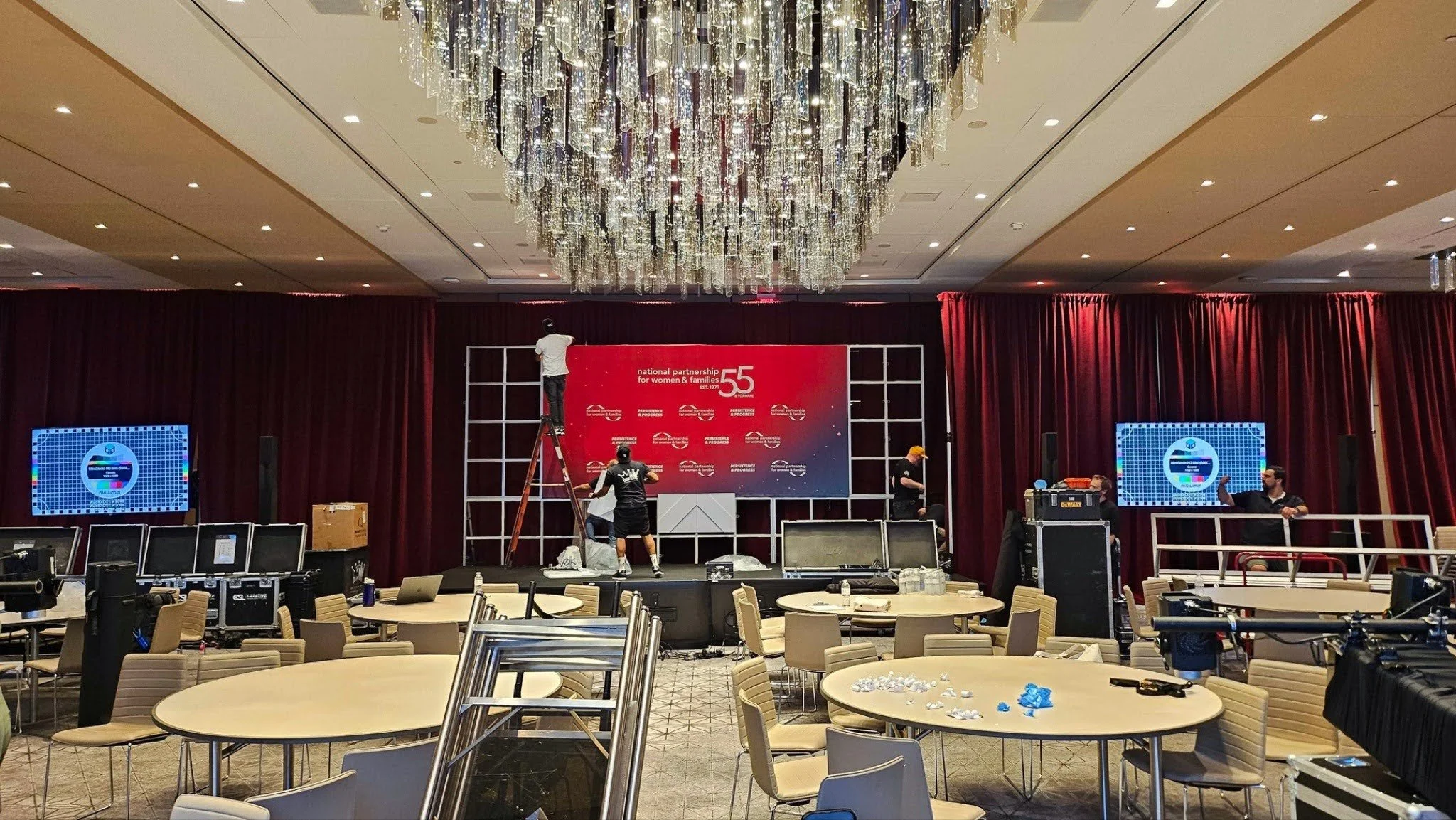
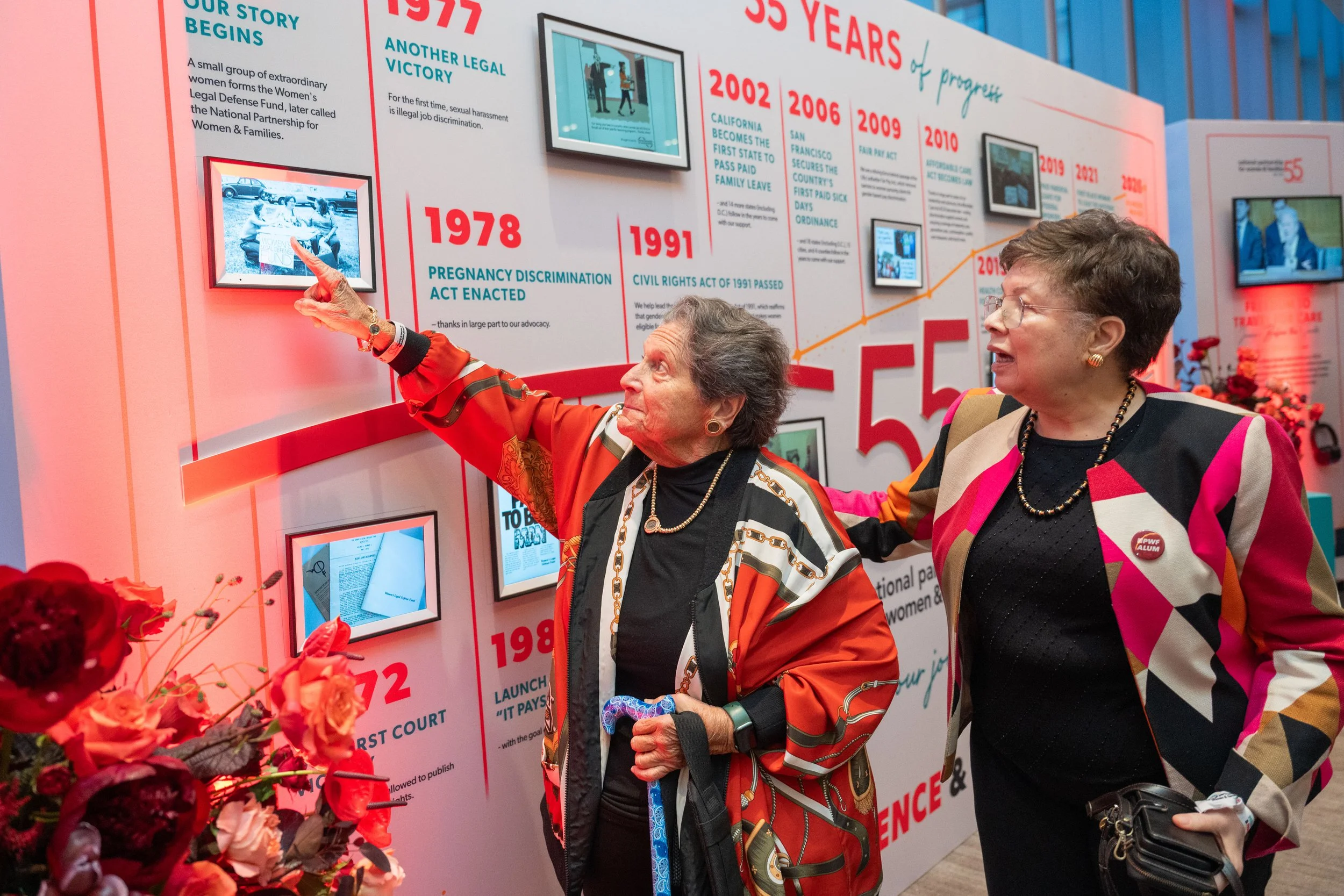
The Annual National Partnership for Women and Families Gala in Washington, D.C. (2026)
1. Start With a Shared Definition of Success
Before selecting a venue, developing a creative concept, or building a production schedule, define what the event is meant to accomplish.
Who does the event need to reach? What should attendees understand, feel, or do after participating? How will the client and planning team determine whether the event was successful?
An event designed to strengthen a community requires a different experience than one intended to raise funds, launch a campaign, educate an audience, or generate media attention.
It is also important to recognize that success may look different to each stakeholder. Clients, attendees, speakers, sponsors, partners, and production teams may all have distinct priorities. Establishing alignment early gives the team a shared framework for making decisions when time, budget, or creative considerations compete.
2. Establish Clear Ownership and Decision-Making
A detailed task list is only useful when every responsibility has a clear owner.
Teams should know who is responsible for creative development, guest communications, speaker management, technical production, venue coordination, transportation, security, catering, and every other essential workstream.
The decision-making process must also be clear. Who approves creative changes? Who communicates final decisions to vendors? Who has the authority to make urgent calls onsite?
Without defined ownership, small questions can create delays, responsibilities can overlap, and important details can be missed. Clear roles and escalation paths allow the team to move efficiently and respond with confidence.
3. Build an Integrated Production Timeline and Run of Show
A strong event timeline is more than a list of deadlines. It shows how decisions, deliverables, and departments depend on one another.
Venue access affects load-in. Final guest counts influence catering and seating. Speaker confirmations shape the program. Creative approvals determine when signage, scenic elements, and digital assets can move into production.
An integrated timeline may include:
Client and stakeholder approvals
Creative and content development
Vendor deadlines
Registration and guest communications
Speaker and talent preparation
Technical planning
Rehearsals and venue walkthroughs
Load-in and installation
Event-day operations
Load-out and post-event follow-up
The timeline should also include realistic review periods and buffers. Events evolve throughout the planning process, and schedules should create accountability without assuming that every decision will happen exactly as expected.
As the event approaches, the timeline becomes more detailed through the run of show. This operational document should capture timing, speaker movements, technical cues, media playback, lighting changes, transitions, and the teams responsible for each action.
Every department should understand not only what is happening, but what must occur immediately before and after each program element. A detailed yet flexible run of show helps the team adjust in real time while protecting the event’s most important moments.
4. Align the Budget With the Event’s Priorities
A thoughtful budget does more than control costs. It reflects what matters most to the event.
The planning team must determine where investment will have the greatest effect on the audience experience and the event’s objectives. Depending on the program, that may mean prioritizing technical production, scenic design, guest hospitality, accessibility, content development, staffing, or another critical area.
A complete budget should account for both obvious and less-visible expenses, including labor, transportation, taxes, service charges, overtime, equipment, and contingency funds.
Reviewing the budget throughout the planning process allows teams to identify tradeoffs early, protect the most important elements, and avoid rushed decisions as the event approaches.

5. Create a Clear Communication Structure
Events bring together people working across different organizations, disciplines, locations, and timelines. Communication must be intentional.
Regular meetings, centralized documents, clear action items, and consistent status updates help ensure that everyone is working from the latest information. Changes should be documented and communicated quickly, particularly when they affect multiple departments.
Onsite communication requires another layer of structure. Team members should know which communication channels to use, who is responsible for relaying information, and how urgent issues should be escalated.
Effective communication does not mean including everyone in every conversation. It means making sure the right people receive the right information at the right time.
6. Rehearse, Test, and Walk Through the Experience
Planning documents cannot reveal every potential issue.
Rehearsals, technical tests, and venue walkthroughs allow teams to evaluate how the event will function in real conditions. They can uncover timing challenges, unclear transitions, technical limitations, guest-flow concerns, accessibility issues, and gaps in staffing or responsibility.
Depending on the event, preparation may include:
Speaker rehearsals
Audio, video, and lighting checks
Presentation and media testing
Stage-management rehearsals
Registration walkthroughs
Security and credentialing reviews
Accessibility checks
Emergency-procedure briefings
Full program run-throughs
The goal is not simply to confirm that each individual element works. It is to test how all of those elements work together.
7. Prepare For the Unexpected
Every event carries some level of risk. Weather can change. Technology can fail. A vendor can be delayed. A speaker can cancel. Guests may move through a space differently than expected.
Contingency planning begins by identifying the scenarios most likely to affect the event and determining how the team will respond.
Backup plans may involve alternate program formats, secondary equipment, weather plans, replacement transportation, additional staffing, or revised guest-flow procedures. Teams should also understand which decisions they are authorized to make without waiting for lengthy approval.
No plan can anticipate every possibility. Successful execution depends on preparation, but it also requires calm judgment, adaptability, and trust across the team.
8. Debrief and Document What You Learned
Event execution does not end when the final guest leaves.
A post-event debrief gives the team an opportunity to evaluate what worked, what changed, and what could be improved. Feedback from the client, attendees, partners, vendors, and internal teams may reveal insights that were difficult to identify during the event itself.
Teams should document lessons while they are still fresh, including operational challenges, successful solutions, vendor performance, budget changes, audience feedback, and recommendations for future programs.
This process strengthens future events and helps teams build more effective systems over time.
Building a Seamless Event Experience
Successful event execution is built long before guests arrive. It requires a clear purpose, defined responsibilities, detailed preparation, thoughtful communication, and a team equipped to adapt under pressure.
When strategy, logistics, creative vision, and production are working together, the audience experiences something that feels natural and effortless.
At Markham, we bring these elements together to transform complex ideas into thoughtful, seamless event experiences.