
Best Practices for Managing Security at High Profile Events
Managing security at high profile events can be a complex task, especially when you are hosting VIP guests, celebrities, public figures, or large crowds. This guide walks through practical best practices that help keep everyone safe while still delivering a welcoming guest experience. From early planning to on-site coordination, these steps provide a clear framework for managing security at high profile events.

The California Hall of Fame induction ceremony. Sacramento, CA (2024)
Understand the Specific Needs of Your Event
Every high profile event is different, and your security plan should reflect that. Start by looking at the event location and layout, the size and type of audience, the profile of key attendees, and the level of media attention you expect.
An outdoor rally with press, public entry, and an open perimeter will have very different needs than a seated indoor program with invited guests only. Outdoors, you may prioritize perimeter security, crowd flow, and weather contingencies. Indoors, secure entry points, credential checks, and controlled back of house access become more important.
It also helps to understand the preferences of VIP guests ahead of time. Some will want discreet security that blends into the background. Others may need a more visible presence to manage crowds and deter potential threats. Knowing those preferences early allows you to design a plan that feels seamless instead of intrusive.
Engage Experienced Security Professionals
Hiring experienced security personnel is essential. Partner with teams that have a proven track record supporting high profile, public facing events and who understand both protective work and guest experience.
The right security partner will bring expertise in crowd management, threat assessment, protective details for VIPs, and emergency response and evacuation procedures. They should be comfortable operating in fast moving environments, adapting to last minute changes, and working side by side with your production and venue teams.
Experienced firms also tend to have strong relationships with local agencies and venues. Those connections can be invaluable if an issue arises on site or if you need to escalate a concern quickly.
Implement Layered Access Control
Strong access control is one of the most effective ways to protect guests and staff. Instead of relying on a single checkpoint, think in layers. Define zones such as public areas, staff only spaces, production and technical areas, and VIP or green room spaces, then decide who truly needs access to each zone.
Branded credentials or badges with clear access levels, visible check in points at key doors, and a simple process for scanning in guests or staff can significantly reduce confusion and bottlenecks. When done well, these measures support security and make the guest experience smoother, not slower.
For particularly sensitive programs, your security partner may recommend additional tools such as enhanced ID checks or watchlist screening. The goal is to match the level of access control to the actual risk profile of the event, while keeping entry as frictionless as possible for invited guests.
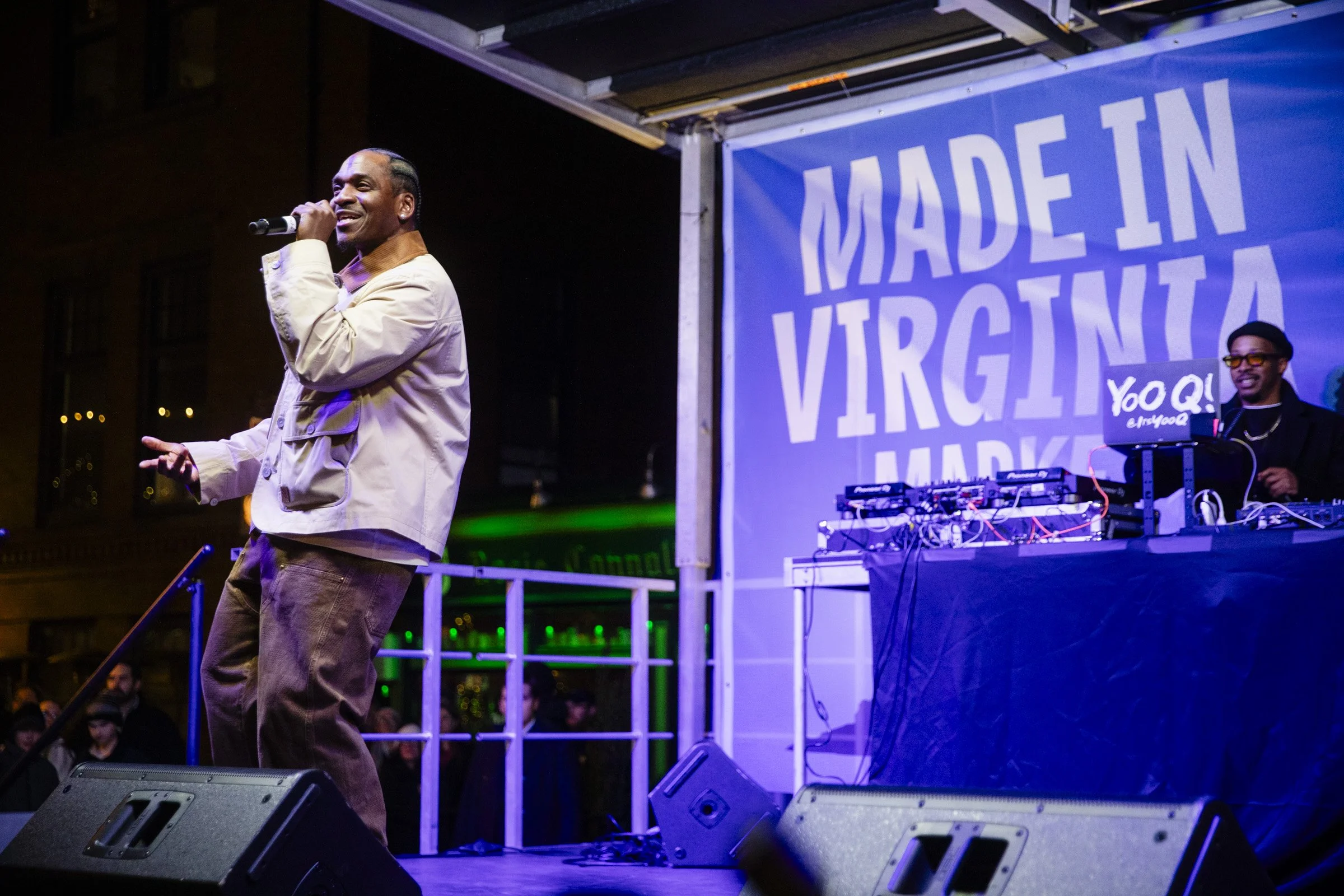
Rapper Pusha T performing at the 2026 Made in Virginia Market. Richmond, VA (2026)
Coordinate with Local Authorities and Venue Partners
Security planning works best when it is collaborative. Bring local partners into the conversation early rather than waiting until event week.
Share your schedule, attendee profile, and any known sensitivities or risks with local law enforcement and first responders. Align on points of contact, preferred communication channels, and how and when you would engage them during the event. At the same time, work closely with the venue’s security and operations teams, as they will know the building, back of house routes, and existing procedures better than anyone.
Local agencies can offer important context about traffic patterns, protest activity, nearby construction, or other events happening at the same time. That information often shapes decisions about arrival routes, staging areas, and emergency access.
Conduct a Thorough Risk Assessment
A structured risk assessment helps you identify potential threats before guests arrive and allows you to prioritize where to focus resources.
Walk the venue and its surroundings, paying attention to entry and exit points, parking and drop off locations, potential choke points, and areas where crowds might naturally gather. Consider transportation routes for VIPs and equipment, as well as any late night load in or load out activity. Reviewing past incidents at similar programs or in the same area can also be useful.
Once you have a full picture, categorize risks by how likely they are to happen and how disruptive they would be if they did. This makes it easier to decide where to add staffing, bag checks, equipment, or additional barriers. When possible, involve external security or risk specialists who can provide an objective perspective and help identify vulnerabilities internal teams might miss.

Virginia Governor Abigail Spanberger and her family at her Inauguration Gala. Richmond, VA (2026)
Prepare a Crisis Management Plan & Communication Plan
Even with strong planning, unexpected situations can still occur. A clear crisis management plan ensures that your team can respond quickly, calmly, and in alignment.
The plan should outline who is responsible for making key decisions, how information flows between security, production, venue, and leadership, and what steps to take in different scenarios such as medical emergencies, severe weather, protests, or suspicious activity. Evacuation and shelter in place procedures should be clearly documented and tested in advance.
Communication with attendees, partners, and media is also part of security. Identify a spokesperson and prepare draft holding statements for common scenarios, so you are not writing from scratch in the moment. Clear, timely updates help maintain trust and prevent rumors from spreading online while you are managing the situation on site.
Short tabletop exercises or run throughs with your core team can reveal gaps in the plan and give everyone confidence in their role before event day.
Brief Staff and Prepare for Contingencies
A strong plan only works if the people executing it understand their role. Before the event, hold an all team briefing that covers security expectations, escalation protocols, and emergency procedures. Make sure staff and vendors know how to report a concern, who to contact, and what information to capture.
Whenever possible, walk the site with key leads so they can see entry points, exits, staging areas, and holding rooms in person. Simple tools such as one page quick reference guides or signage for back of house areas can go a long way in helping people react quickly when something unexpected happens.
Encourage a culture of awareness instead of anxiety. When staff feel empowered to speak up and know that their concerns will be taken seriously, small issues are more likely to be resolved quietly and early, before they grow into bigger problems.
Conclusion
Thoughtful security planning at high profile events is about more than preventing incidents. It creates an environment where guests, VIPs, and staff feel safe and able to focus on the experience in front of them. When you understand your event’s needs, work with experienced security partners, and prepare your team, security can feel both robust and unobtrusive.
Planning a high profile event? Markham specializes in producing secure, impactful experiences so your guests can focus on the moments that matter. Contact us today.