
7 Essential Elements for Developing an Event Concept
Creating a memorable event starts long before guests enter the room. Before the stage is built, the signage is installed, or the first attendee arrives, there needs to be a clear idea guiding the experience.
That’s where event concept development comes in.
A strong event concept connects an organization’s goals with the people it wants to reach, shaping everything from the atmosphere and programming to branding and guest experience. Rather than treating each element as a separate decision, concept development creates a cohesive vision that gives every detail a purpose.
Here are seven essential elements to consider when developing an event concept.
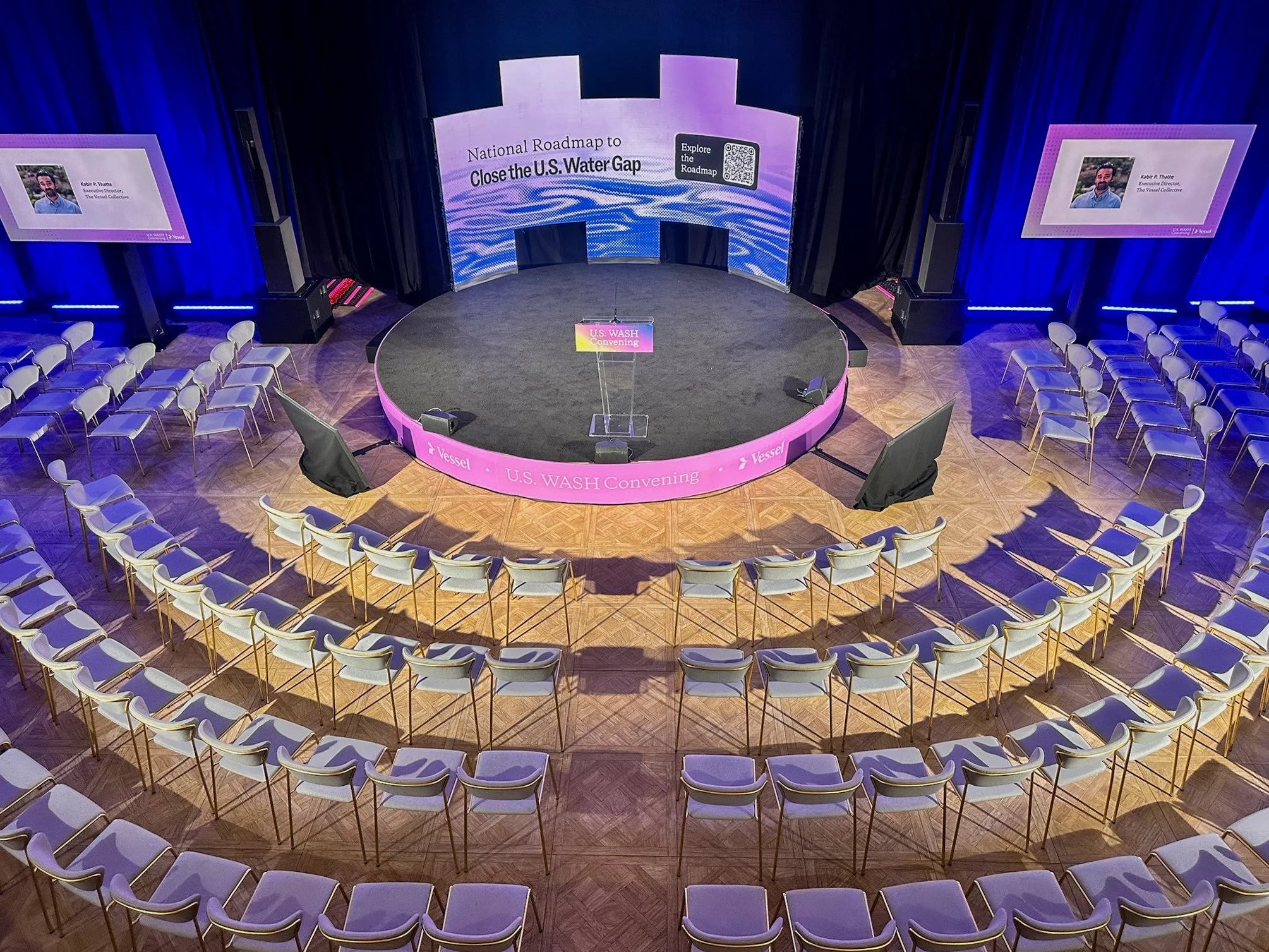
U.S. WASH Convening. Washington, D.C. (2026)
1. Start With the Event’s Purpose
Every strong event concept begins with a simple question: What are we trying to accomplish?
An event designed to celebrate a milestone will require a different experience than one intended to educate an audience, inspire action, raise funds, launch a new initiative, or strengthen a community.
Defining that purpose early gives the creative process direction. It becomes a filter for future decisions, helping determine which ideas support the event’s goals and which may simply add noise.
Clear objectives also help align everyone involved, from the client and creative team to vendors, speakers, and production partners, around the same vision. When each component serves a larger purpose, the event feels intentional rather than assembled.
2. Understand Your Audience
Once the event’s purpose is clear, the next step is understanding the people at the center of the experience.
Who will be in the room? What matters to them? What do they already know about the organization or subject? Most importantly, what do you want them to think, feel, or do as a result of attending?
Understanding an audience goes beyond basic demographics. Their interests, expectations, values, and familiarity with the event should all help shape the concept.
For example, an audience attending an industry conference may value opportunities for insight and connection, while guests at a gala may respond more strongly to storytelling, celebration, and a shared sense of purpose.
Keeping the audience in mind throughout concept development helps ensure the experience feels relevant and intentional. Instead of creating an event that could be designed for anyone, you’re creating one that feels specifically designed for the people in the room.
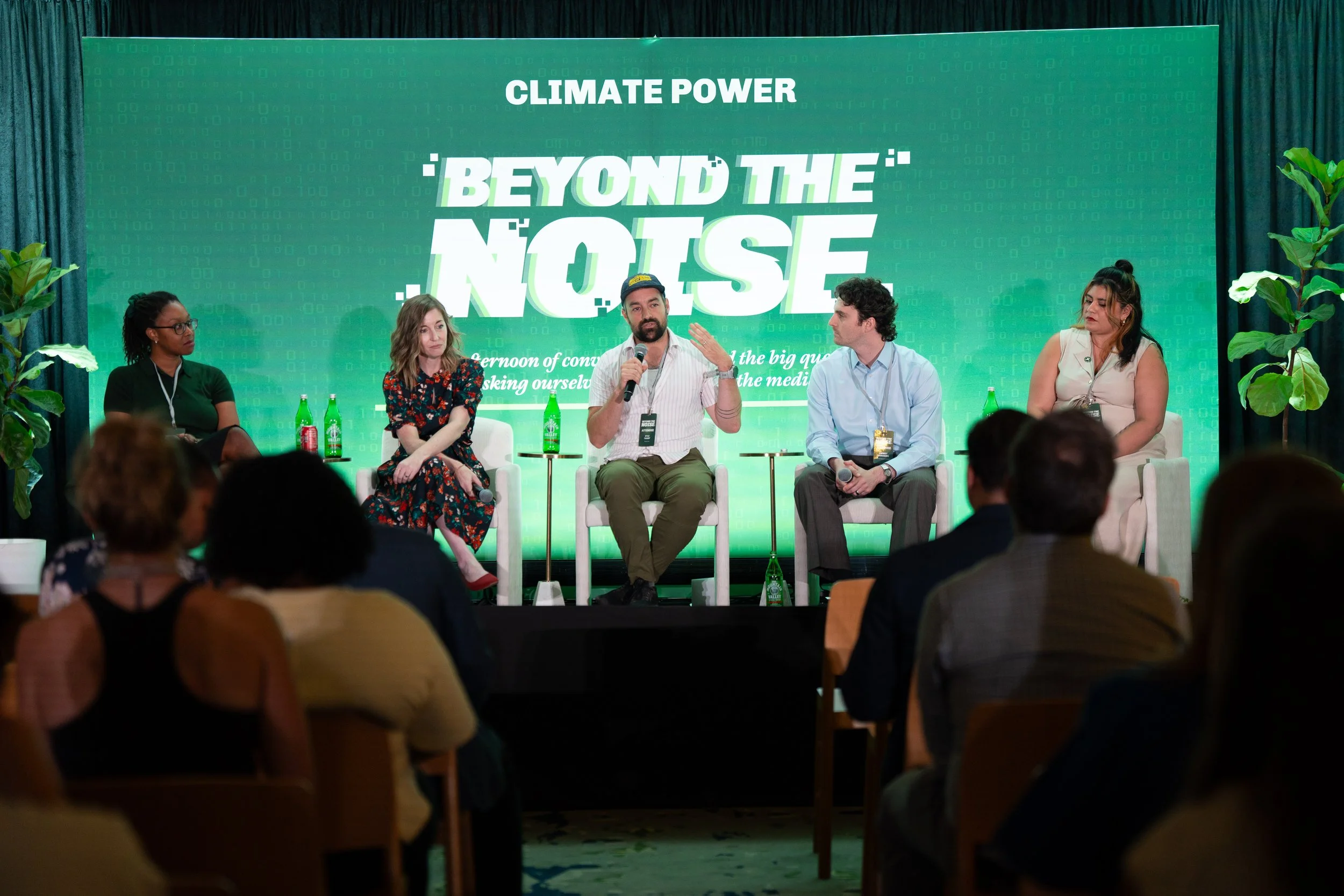
Beyond the Noise by Climate Power. Washington, D.C. (2026)
3. Find the Big Idea
With the event’s purpose and audience established, the concept can begin to take shape.
The “big idea” is the central creative thought that connects the experience. It might be inspired by an organization’s mission, an anniversary, a campaign, a cultural moment, a particular story, or even an emotion the event hopes to evoke.
This is where a concept becomes more than a visual theme.
A strong idea shouldn’t exist only in a color palette or décor choice. It should provide a framework that can influence the stage design, messaging, programming, graphics, entertainment, environment, and other aspects of the attendee experience.
When every creative decision can trace back to the same central idea, the event begins to feel like one world rather than a collection of individual elements.
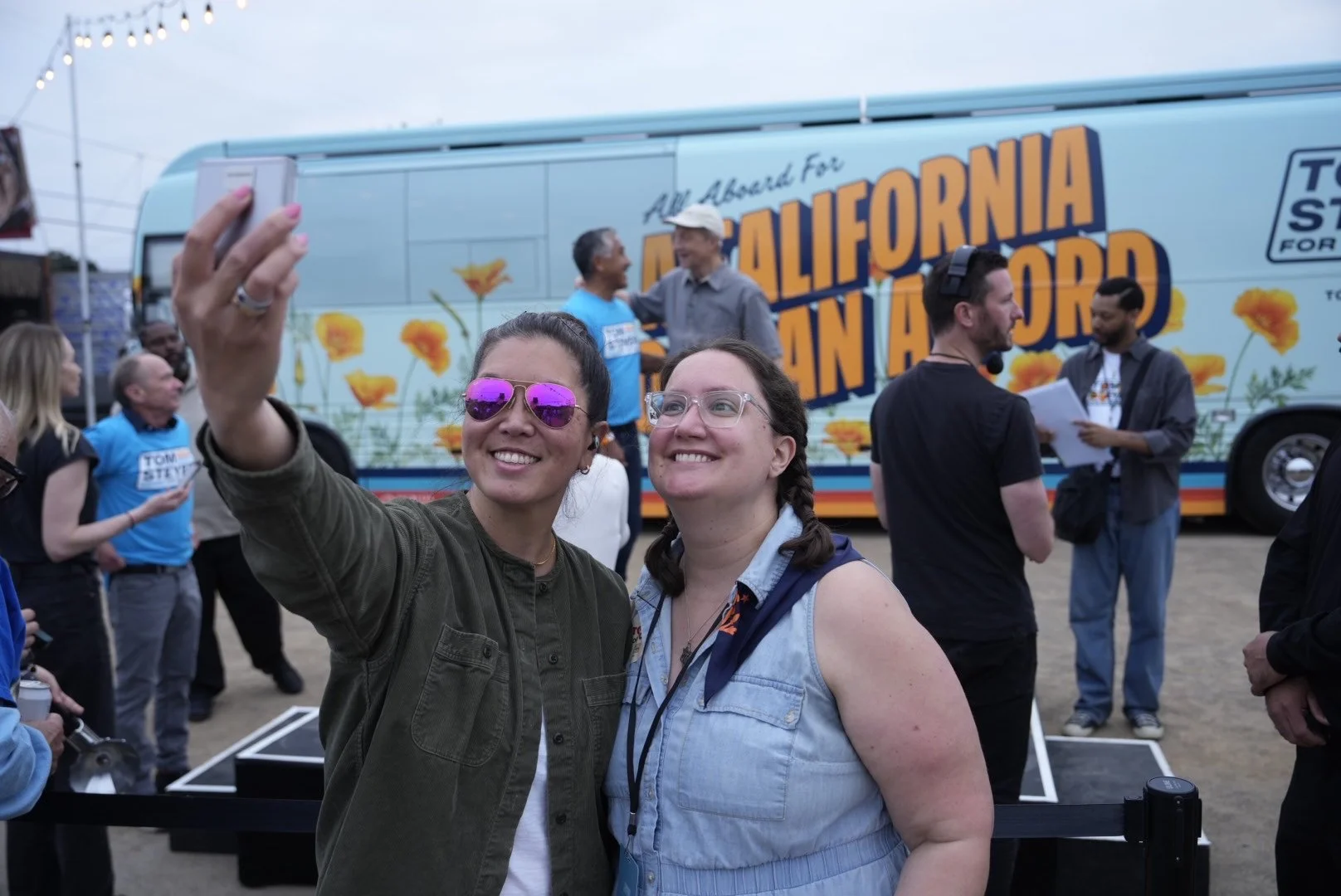
Tom Steyer’s “A California You Can Afford” bus tour. (2026)
4. Define How the Experience Should Feel
Events are remembered not only for what happened, but for how they made people feel.
Should guests leave energized? Inspired? Connected? Curious? Celebrated? Motivated to act?
Establishing the intended feeling of an event can help translate an abstract concept into tangible creative decisions.
An intimate atmosphere might call for warm lighting, conversational programming, and spaces designed for connection. A high-energy celebration may rely on dynamic visuals, music, movement, and moments of surprise. A mission-driven event may build toward powerful storytelling that helps attendees understand why the organization’s work matters.
Lighting, sound, pacing, spatial design, content, entertainment, and technology can all contribute to that emotional experience.
By defining the feeling early, teams can evaluate not only whether something looks good, but whether it supports the experience they are trying to create.
5. Design the Attendee Journey
A great concept shouldn’t appear only once guests reach the ballroom or main stage.
Consider the entire attendee journey: What does someone experience when they first hear about the event? What happens when they arrive? Where do they go first? When do they interact with the brand? Where are the moments of discovery, connection, excitement, or reflection?
Every stage presents an opportunity to reinforce the concept.
The journey might begin with an invitation or registration experience and continue through arrival, check-in, wayfinding, programming, activations, food and beverage, networking spaces, and the final guest departure.
Thinking through these moments helps create an experience that feels intuitive and cohesive while also identifying opportunities for memorable touchpoints.
Even transitions matter. The strongest events consider not only the major moments, but how attendees move and feel between them.
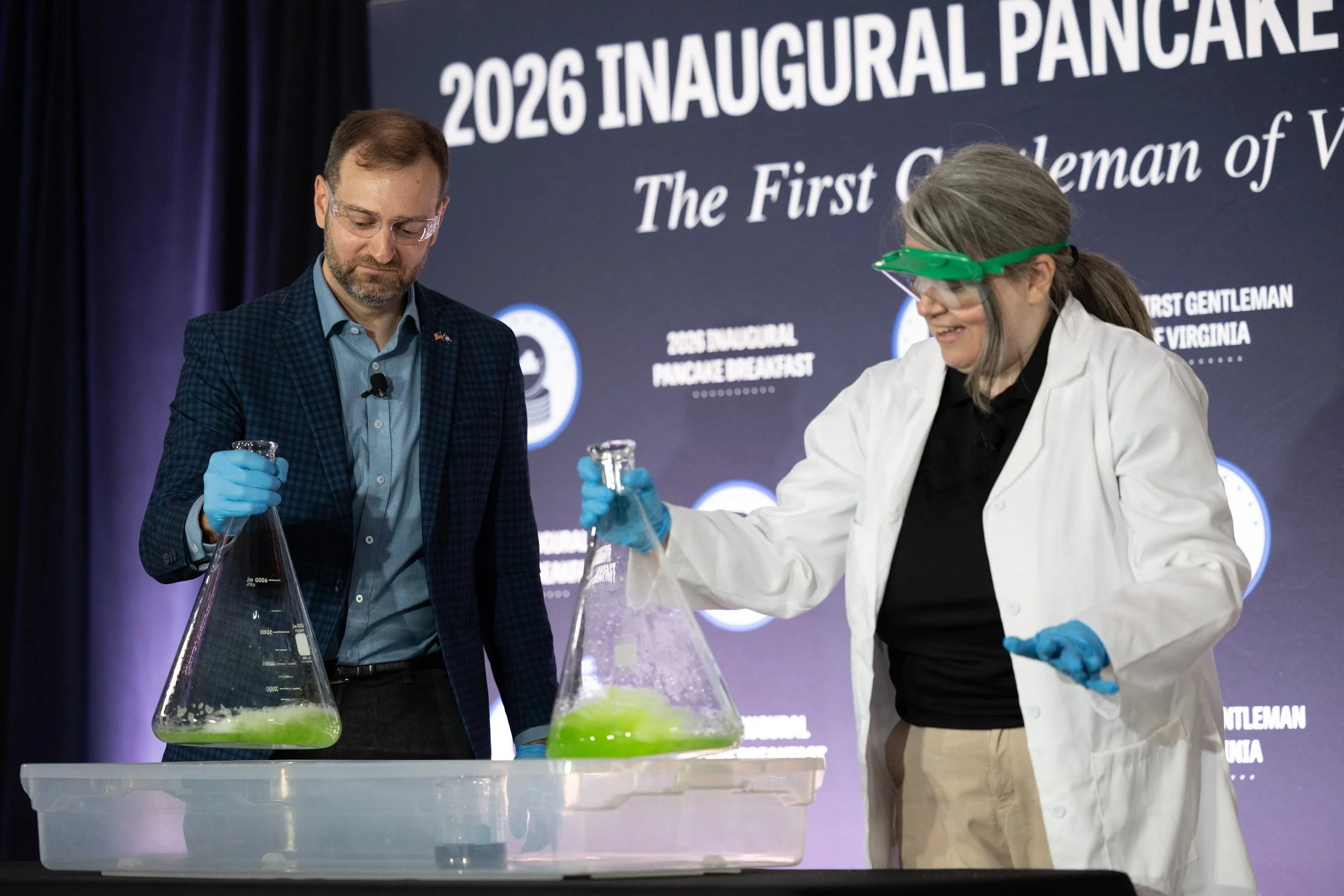
First Gentleman’s Breakfast during the Inauguration of Virginia Governor Abigail Spanberger. Richmond, VA (2026)
6. Bring the Concept to Life Across Every Touchpoint
Once the creative direction is established, the next step is translating it into the physical and visual experience.
This is where graphics, signage, scenic design, décor, lighting, fabrication, technology, food and beverage, entertainment, and branded materials can all work together to support the concept.
Not every event needs every tool.
Technology, for example, can create powerful interactive or immersive experiences when it strengthens the idea, but innovation should never be included simply for the sake of innovation. The same principle applies to any creative element. It should have a reason for being there.
The goal is cohesion.
Guests may never consciously analyze how the typography on a sign connects to the stage graphics or how the lighting complements the environment. But when those decisions share the same creative language, they experience the event as thoughtful and complete.
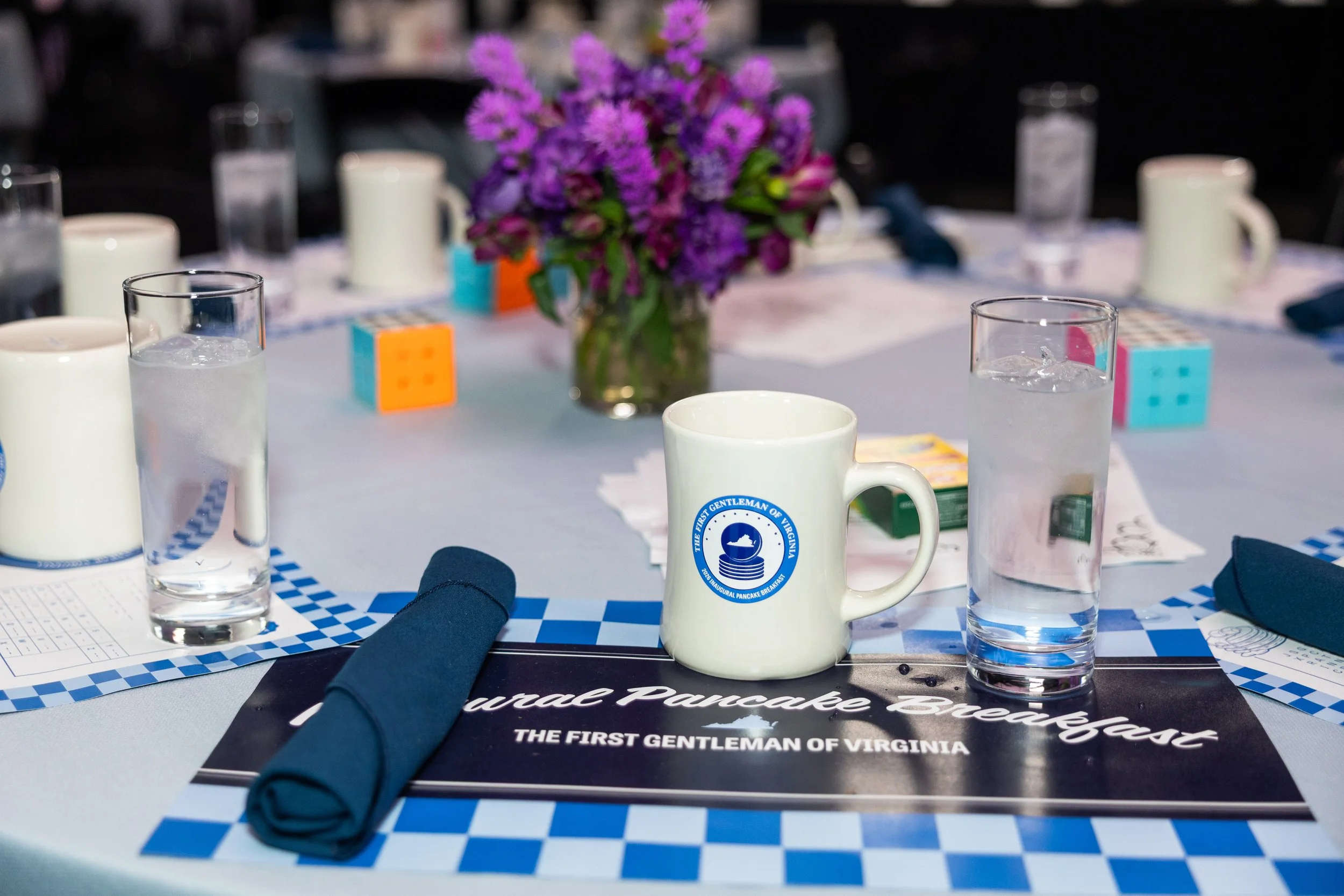
First Gentleman’s Breakfast during the Inauguration of Virginia Governor Abigail Spanberger. Richmond, VA (2026)
7. Make the Details Tell the Same Story
Concept development ultimately comes down to consistency.
Some of the most memorable event moments can also be the smallest: a cleverly worded sign, a custom place card, an unexpected food presentation, a staff detail, a personalized takeaway, or an interaction that perfectly reflects the event’s message.
These details help transform a concept from something guests see into something they experience.
The key is intentionality. Rather than adding elements simply because they are trendy or visually appealing, ask whether each detail contributes to the broader story being told.
When the big picture and the smallest touchpoints work together, an event feels seamless, and the concept becomes something attendees can remember long after they leave.
Turn an Idea into an Experience
A successful event concept is more than a theme. It is the creative foundation that connects an event’s goals, audience, story, environment, and experience.
The strongest concepts give every decision a sense of purpose. From the first invitation to the final moment of the evening, each element works together to communicate the same idea and create the intended feeling.
At Markham, we approach events by looking at the complete experience, developing concepts that can move from an initial idea to an environment people can see, feel, and remember..