
What is Event Branding and Why Does it Matter?
Event branding is one of the most powerful tools you have for shaping how people experience and remember your event. It goes beyond a logo or color palette. Strong branding ties together visuals, messaging, and moments so the entire experience feels intentional from first invite to final goodbye.
In this blog, we look at what event branding really means and why it plays such an important role in modern events.
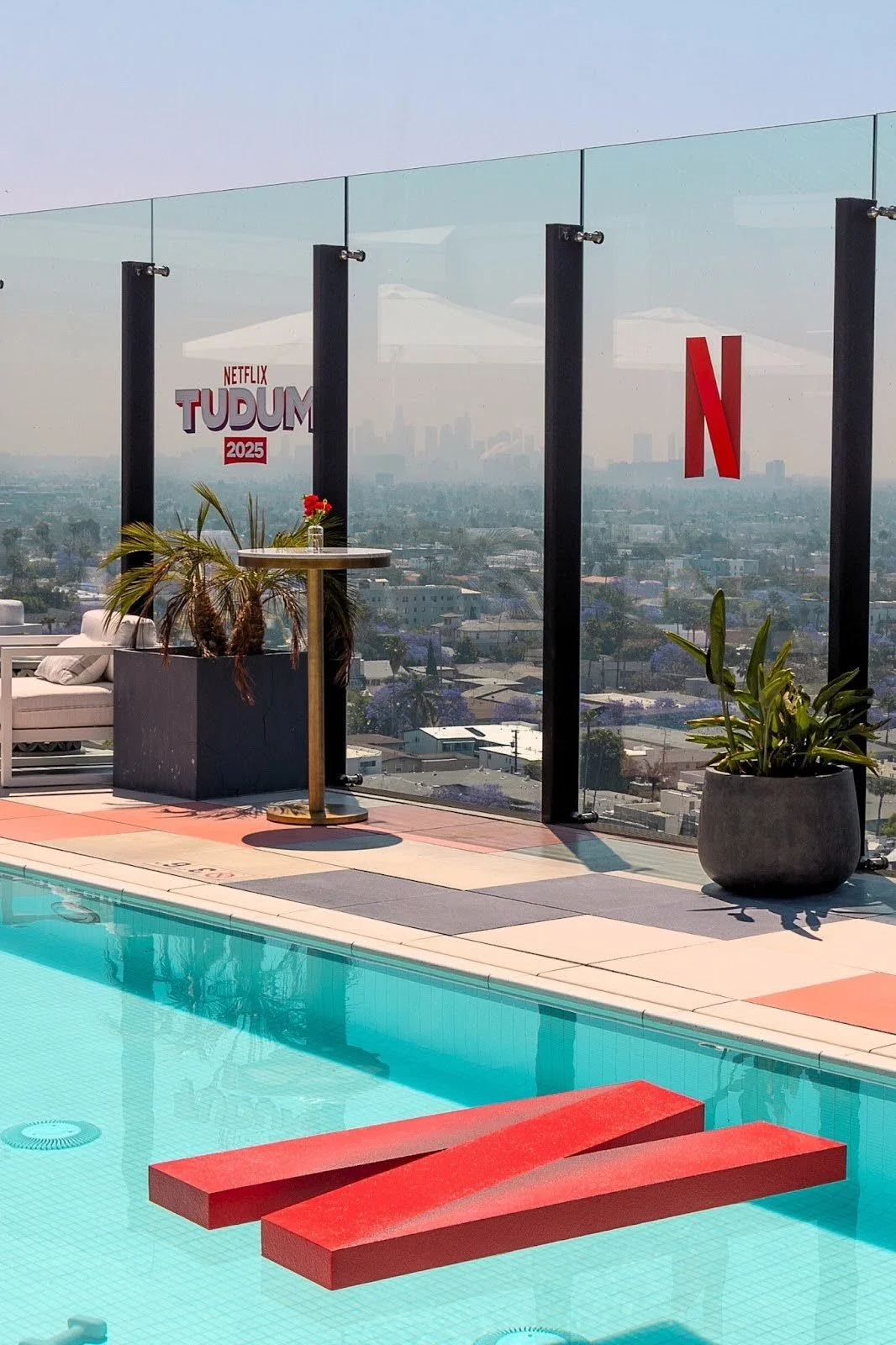
Netflix Tudum. West Hollywood, CA (2025)
Understanding Event Branding
Event branding is the process of creating a distinct identity for your event. It brings together visual, verbal, and experiential elements that reflect the event’s purpose and personality.
That identity shows up everywhere. It includes the way your logo and color story appear on invitations, signage, and digital assets, but it also includes the tone of your copy, the way staff greet guests, the music and staging, and the overall energy of the room. When those pieces are aligned, the event feels cohesive and memorable instead of random or pieced together.
Effective event branding also taps into how people feel. It considers what you want attendees to think, feel, and do, then designs the experience around that outcome. The result is an event that stays with guests long after they leave.
Why Event Branding Matters
Event branding is the backbone of how your event shows up in the world. It helps you:
Differentiate your event in a crowded landscape
Communicate your values and story quickly
Build trust and credibility with attendees, sponsors, and partners
When people feel aligned with your brand, they are more likely to register, show up, stay engaged, and share their experience with others. A clear brand also signals professionalism to sponsors and collaborators, making it easier for them to see how their own brand fits into the event.
In a digital world where every moment is photographed, posted, and shared, strong branding also extends your reach. A recognizable look and feel gives attendees something to capture and amplify, turning your event into content that travels far beyond the room.
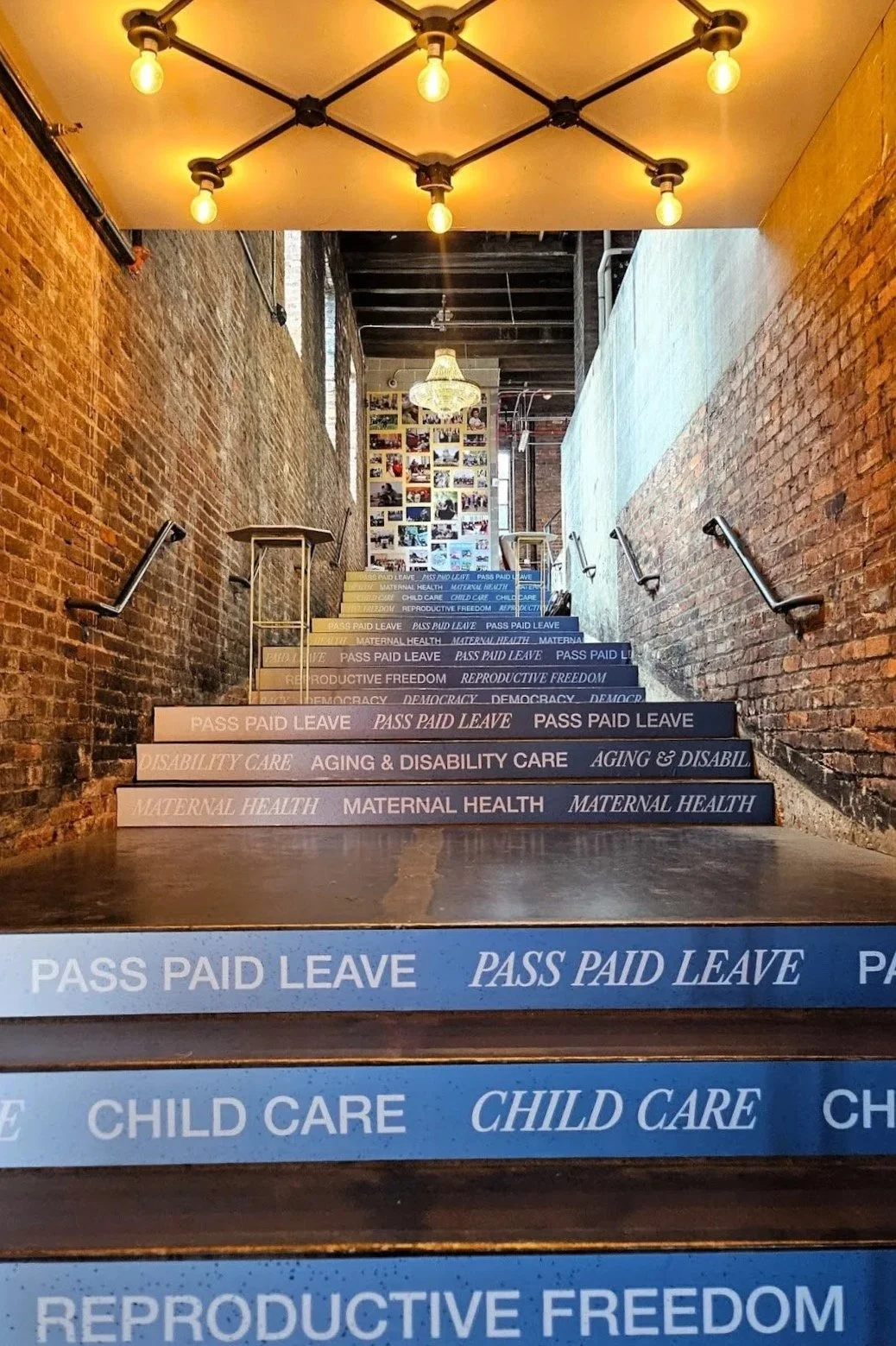
Pass Paid Leave for All. Washington, D.C. (2024)
Key Components of Event Branding
While every event is different, most strong event brands are built from a few core components:
Visual identity
This includes your logo or wordmark, color palette, typography, iconography, and overall design style. These elements should show up consistently across invitations, presentations, signage, staging, credentials, and digital content.Messaging and voice
Your event’s key message, tagline, and tone of voice should support the overall brand. The way you describe the event, introduce speakers, and write on screen copy all shapes how the brand feels in the room.Experience and environment
The venue, layout, lighting, music, and interactive elements all carry your brand. A thoughtfully branded environment helps guide guests, sets expectations, and makes the experience feel intentional rather than improvised.
When these components work together, they create a clear narrative that attendees can feel and recognize from the moment they receive the first save the date.
Steps to Create Memorable Event Branding
Building a strong event brand starts long before guests arrive.
First, define the fundamentals. Clarify the event’s purpose, goals, and audience. Ask what you want attendees to walk away saying and feeling. This becomes the foundation for your brand decisions.
Next, develop a simple brand strategy for the event. This might include a core idea or theme, a few key messages, and a visual direction that aligns with your organization’s larger brand while giving the event its own personality.
From there, you can:
Design a clear visual system for the event, including logo, colors, and typography
Apply that system across all touchpoints such as invitations, websites, registration platforms, on site signage, digital displays, and presentation templates
Choose a venue and room layout that support the story you are trying to tell, whether polished and formal or relaxed and conversational
The more consistently you apply the brand from pre-event communications through on site execution, the more seamless the experience will feel for attendees.
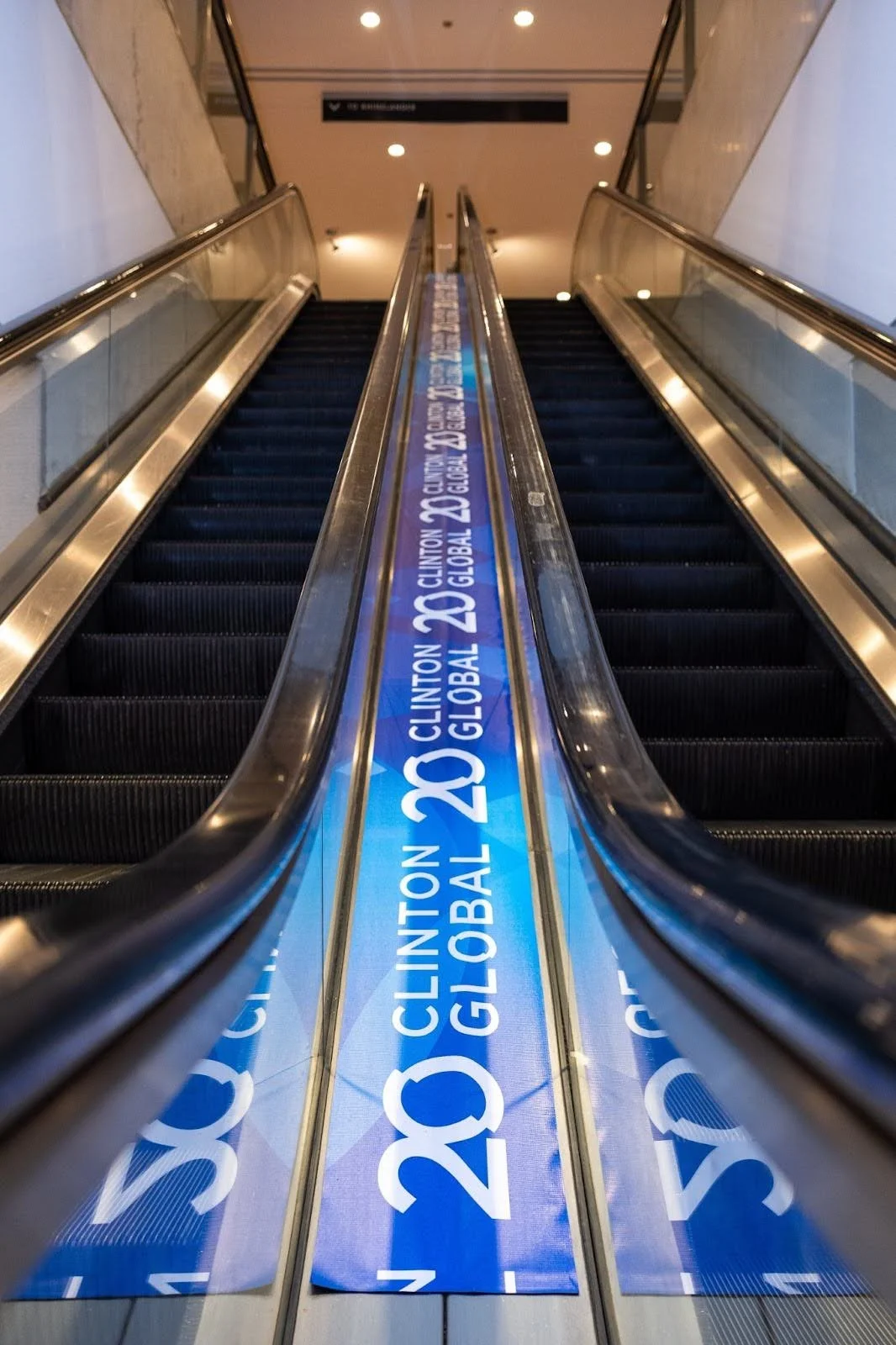
Clinton Global Initiative. New York, NY (2025)
Measuring the Success of Your Event Branding
You can measure the impact of your event branding in a few different ways.
Attendee feedback is a good place to start. Surveys and informal conversations can reveal whether the event felt cohesive, on brand, and aligned with expectations. Ask what guests remember most and how they would describe the event in their own words.
Digital metrics also tell a story. Social media engagement, the quality of user generated content, and how often your visuals or key phrases appear in posts can help you understand what resonated.
Finally, look at longer term outcomes. Did the event strengthen relationships with key stakeholders, sponsors, or partners. Did it support your organization’s positioning or broader brand strategy. Strong event branding should reinforce the bigger story your organization is telling year round.
The Impact of Effective Branding
When event branding is done well, it elevates everything else. It makes the experience more intuitive, more memorable, and more aligned with the story you want to tell.
Instead of feeling like a one-off moment, the event becomes a clear expression of your brand in motion. Attendees are more engaged, partners see more value, and the event leaves a lasting impression that extends well beyond the room.
If you are planning an event and want a partner who treats branding and experience design with equal care, Markham can help. Our team specializes in crafting immersive, on brand environments that bring your story to life at every touchpoint.