
Sam Jefferson on Rolling With the Punches in Event Operations
Some careers are built by following a clear path. Others are built by stepping into the moment, learning quickly, and finding a way forward before all the answers are obvious.
For Sam Jefferson, Markham’s Operations Manager, that second path has defined much of his journey. Since joining the team in January 2019, Sam has grown from intern to full-time team member to a central part of Markham’s day-to-day operations in DC. Along the way, he has built a career around resourcefulness, adaptability, and staying calm when live events inevitably shift in real time.
Before Markham, Sam interned in the U.S. Senate, where he supported legislative staff through research and constituent outreach. When he first came to Markham as an intern, he began learning the world of event production from the ground up, starting with the operational details that help events come together long before anyone arrives on site.
Starting From the Ground Up
Early in his internship, Sam saw an opportunity to step up in a meaningful way by taking ownership of shipping coordination for one of Markham’s major ongoing projects. It was a highly detail-driven responsibility, requiring him to track materials, manage movement, and understand how each piece supported the larger event.
By owning that process, Sam began to see how production comes together from start to finish. Even before he had attended one of Markham’s events in person, he was learning how to read the shape of an event through the materials being sent to it.
“Despite having never gone to one of our events, I was able to put together a picture of what it looked like based on what we were sending to it,” he said. “Basically, I started in the mailroom.”
That foundation shaped the way Sam thinks about operations. To him, the work is not just about getting materials from one place to another. It is about understanding what each request really requires, anticipating what could be missed, and helping the team stay prepared for whatever comes next.
“It’s like a hidden language - someone might ask for one thing, but really they’re asking for 5 different things,” Sam said. Learning to recognize those hidden layers became central to the way Sam approaches operations today.
Getting Gear Where It Needs To Go
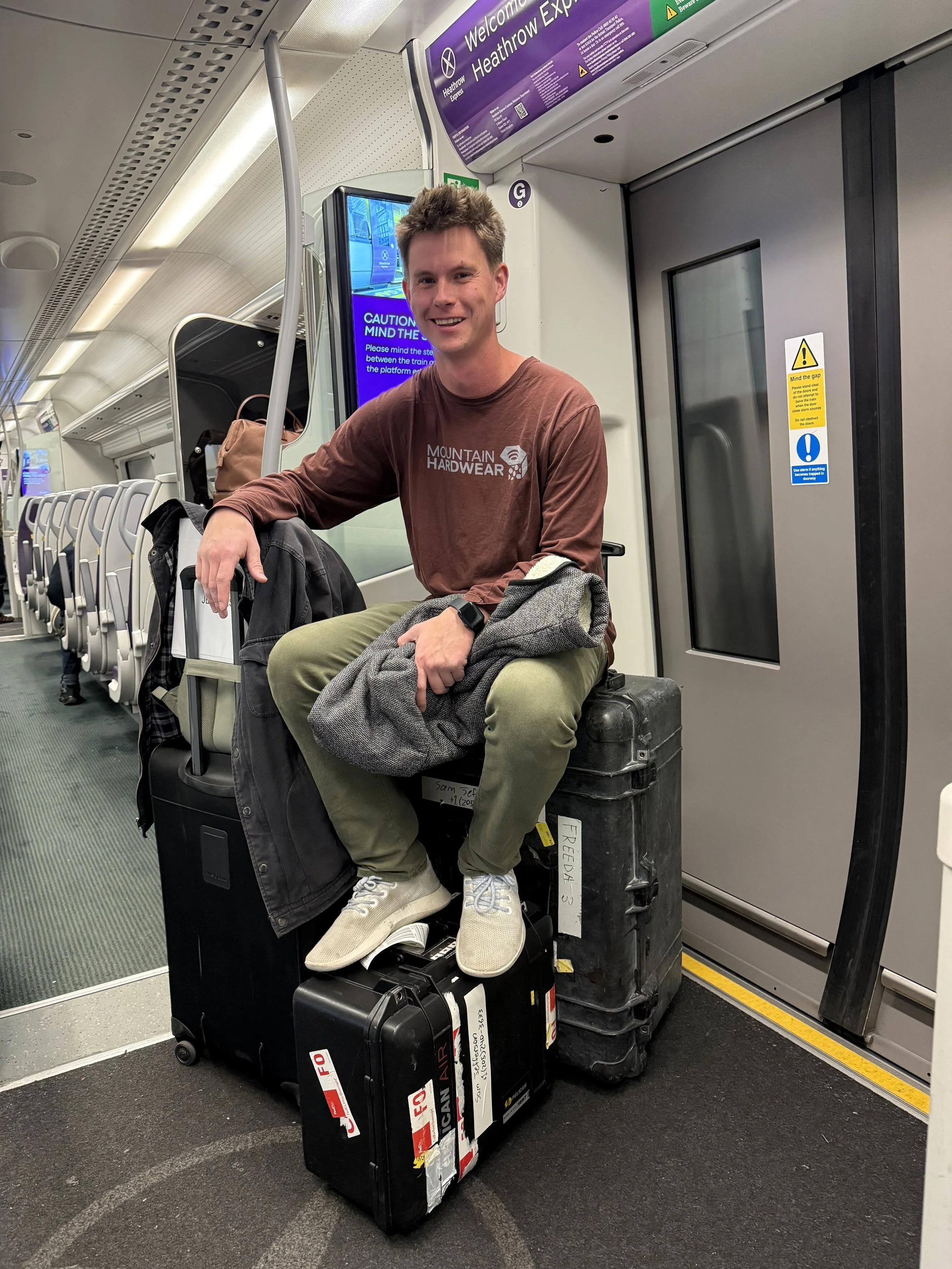
Much of Sam’s work involves making sure the right tools, materials, and resources arrive where they need to be, often across different cities, countries, timelines, and layers of coordination.
“When it comes to shipping, you do have to be a little tenacious about your gear,” Sam said. “It’s like lawyers telling you to know your rights… You have to keep the mindset of ‘that is my property and I need it to get where it’s going’ even when whatever commercial shipper or customs agent is telling you that it can’t be done.”
That persistence is part of the operational mindset Sam has developed over the years. In live events, the answer is rarely as simple as accepting the first obstacle. More often, it is about finding the right person, asking the right question, and pushing until the path becomes clear.
The Snack Cabinet
When asked how he would describe his role to someone outside the events industry, Sam offered a very Sam answer:
“I make sure that we have the right snacks in the snack cabinet.”
Behind the humor, though, is a real philosophy about operations. In a small, fast-paced company, the little things matter. Sam sees his role as helping ensure that people have what they need to do their best work, whether that means equipment, information, structure, or yes, sometimes snacks.
It is a reminder that operations is not always about one big visible moment, but often about the steady support that allows everyone else to move with confidence.
Asking the Right Questions
For Sam, strong operational planning starts with “asking the right questions.”
Sometimes that means identifying problems before they become visible. Other times, it means guiding a conversation in a way that helps clients, vendors, or team members recognize what needs to be addressed.
“You can lead a conversation by asking questions,” he said. “If it's something where someone might not have thought about a potential problem, and you don't want to just say, ‘hey, you haven't thought of this?’ You can lead them by asking.”
That approach helps keep things “copacetic,” as Sam put it. It is not only about solving problems, but about helping others arrive at the solution with clarity and confidence.
That instinct to learn from others extends beyond work, too. Outside of Markham, Sam likes to read, especially history, and sees it as another way to understand how people have navigated challenges before.
“There is a decent chance someone has in some way been in a similar situation that you are in, and has put it on paper,” he said.
In operations, asking the right question at the right time can be the difference between reacting to a problem and preventing it altogether.
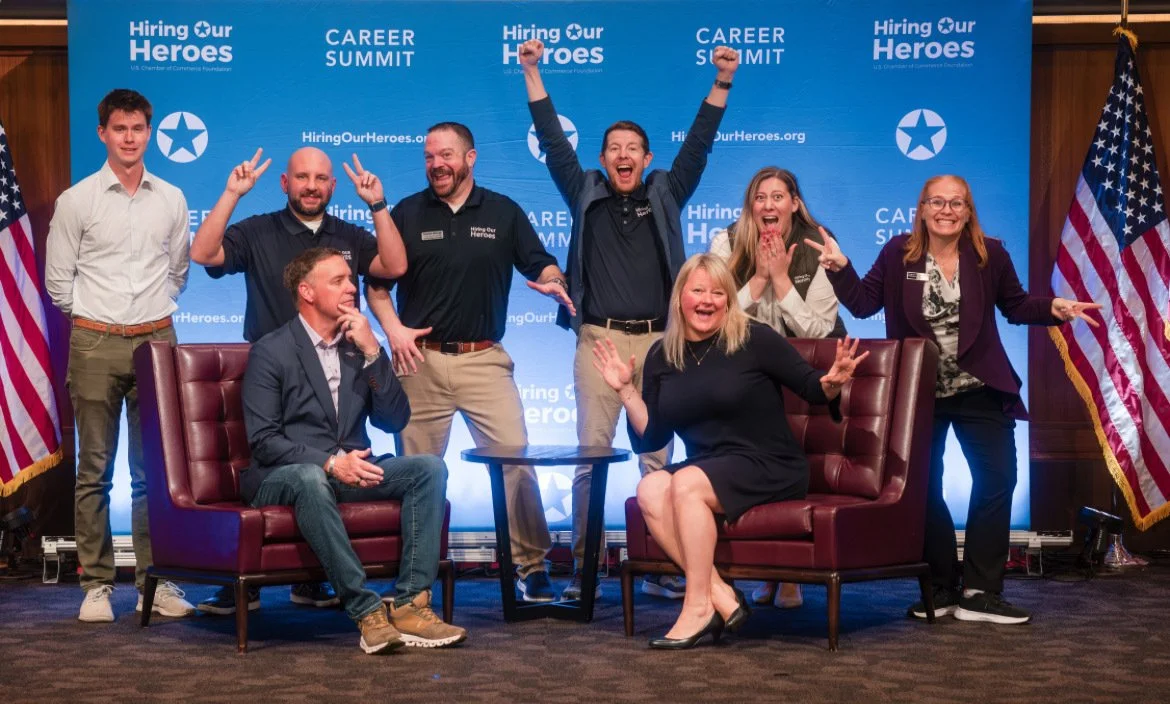
Sam with the Markham team at a Hiring Our Heroes Summit in Okinawa, Japan (2026)
Resourcefulness Around the World
Sam’s work has also taken him into international logistics, where every project, location, and client need can bring a new set of challenges.
“Well, if every project is different then more often than not I am encountering something I have never done before,” Sam said. “The trick to figuring out how to do something you’ve never done before is finding someone who has and convincing them to explain everything that went wrong when they tried to do it.”
That mentality has become especially important in Sam’s international work. For Hiring Our Heroes events abroad, he is often responsible for building detailed schedules that account for everything from team arrivals and venue access to production timing, transportation, and on-site movement. Much of that work requires independence, flexibility, and the ability to problem-solve in real time.
One major example came during a five-country press swing through Europe for a client focused on reproductive rights. The team received the green light only a few weeks out, leaving Sam to lead the planning of five events across five countries, learn different permitting processes, secure production gear, and build the travel schedule.
“Before I knew it, I was back on a plane to Germany with maybe ¾ of a plan,” Sam said.
The rest came together city by city. In Paris, that meant chasing down the right local contact, learning the permitting process in real time, and getting approval the day the team arrived.
“What I learned from this (and many other things) is that even with all the planning in the world you still just have to do the thing, jump in the deep end, fly to the other side of the world and just have the confidence that you’re going to figure it out,” he said.
For Sam, that kind of work is energizing.
Don’t Panic
Sam’s “roll with the punches” mindset is more than a personality trait. It is a practical survival skill in live events.
“‘Live events’ is our day job, you can’t let things going sideways screw up your day,” Sam said. “There is a certain fear that kicks in the moment you hear that something has gone wrong and every worst case scenario will run through your head; stay calm and stick to the plan, pivot if you have to but just remember: Don’t. Panic.”
That calm, he says, is partly personal disposition and partly something the work itself has taught him. When others are panicking, his instinct is to steady the room and think through options. When everyone seems too calm, he may be the one to raise the concern that still needs attention.
“The minute you start to panic, things will start to get worse,” he said.
It is a fitting mindset for someone who refuses to believe in no-win situations. Sam traces that back, in part, to childhood chess games with his father.
“I remember as a little kid I would play chess with my dad on Saturday mornings, and he would kick my ass every time - absolutely merciless,” Sam said. “But I would play every game out to the end, past the point where he would tell me that I didn’t have any route towards winning left, and prolong it until he truly cornered me.”
That habit stuck with him. While chess eventually runs out of moves, real life offers more room for creativity. In operations, there is almost always another call to make, another person to ask, another route to try, or another solution to uncover.
“I guess I never grew out of that mindset that if you have even a miniscule amount of time to think through your options, you can find a way to figure out a solution,” he said.
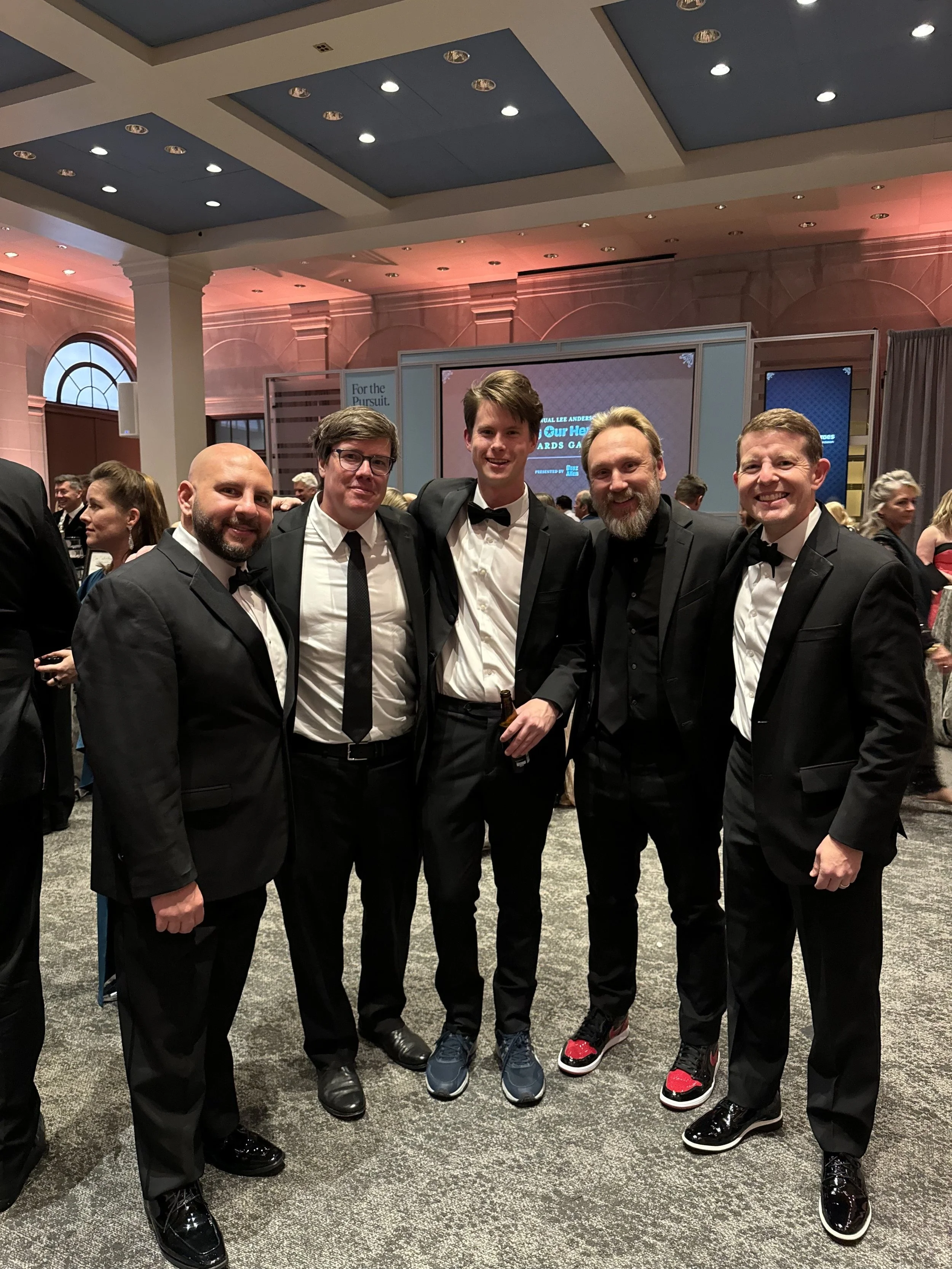
Sam with Markham founders Paul and Greg, Partner Matt, and Operations Director Essam at the 2023 Hiring Our Heroes Gala in Washington, D.C.
Growing With Markham
Since joining Markham, Sam has grown from intern to contractor to full-time team member to Operations Manager. But one of the most rewarding parts of that growth has been watching others find their footing as well.
“Honestly it’s been about seeing other people I’ve worked with along the way grow and succeed,” Sam said.
He remembers how long it took him to understand certain aspects of the work and how often he learned by running directly into a problem and remembering how hard it hit.
“The only way I ever learned anything was by bashing my head directly into it and making a note of how hard it was,” he said. “Seeing some of these kids get it on attempt one because they paid attention, and then really owning it, is always really rewarding.”
That perspective reflects what makes Sam’s role so important to Markham’s culture as well as its operations. He understands the systems behind the work because he built his career through them. He understands the pressure because he has been in it. And he understands that in live events, success often depends on the people willing to take ownership of the details long before anyone sees the final product.
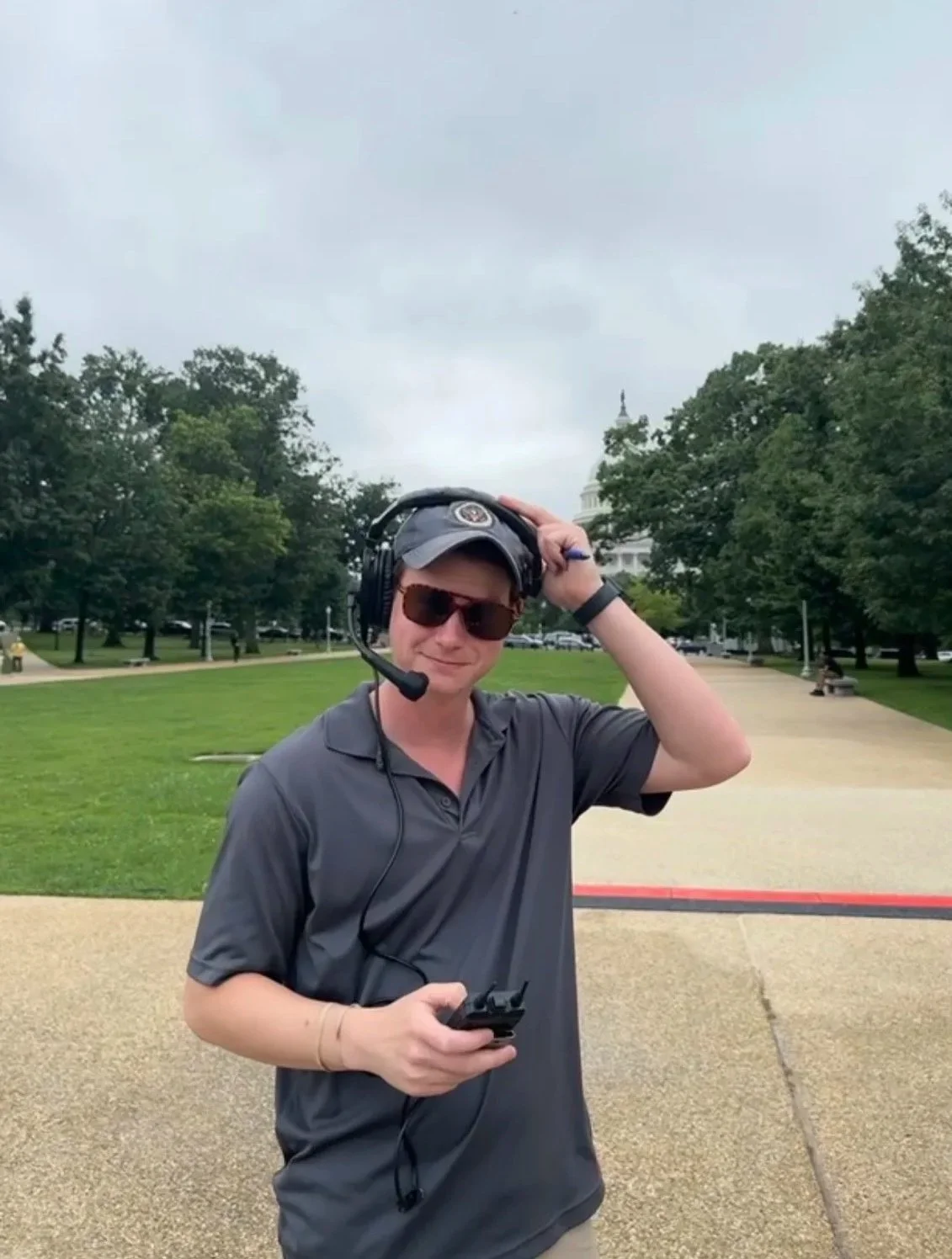
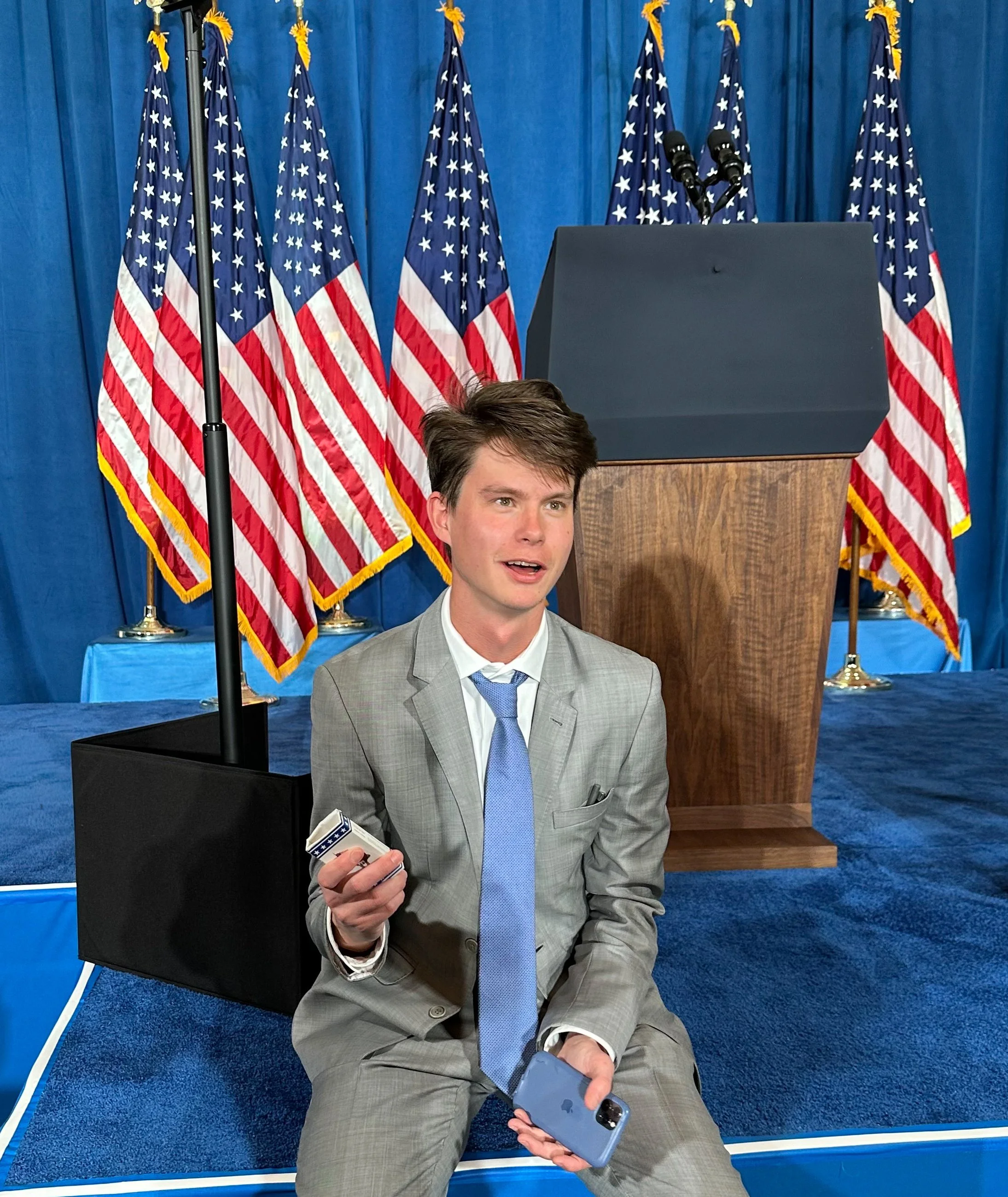
Sam at SEIA’s Day of Action on Capitol Hill in Washington, D.C. (2025)
Words of Advice
When asked what advice he would give someone interested in operations, logistics, or live event production, Sam’s answer was simple:
“Don’t pass up opportunities to get some sleep.”
It is practical, funny, and exactly the kind of advice someone in live events learns to appreciate.
For Sam, operations is not just about moving gear, building schedules, or solving problems under pressure. It is about staying calm, asking the right questions, finding the person with the answer, and having the confidence to keep going until the work gets done.
In other words, it is about rolling with the punches.